Maine Tax Lien Sales
Directory with tax lien auctions, deeds, redemption periods and more
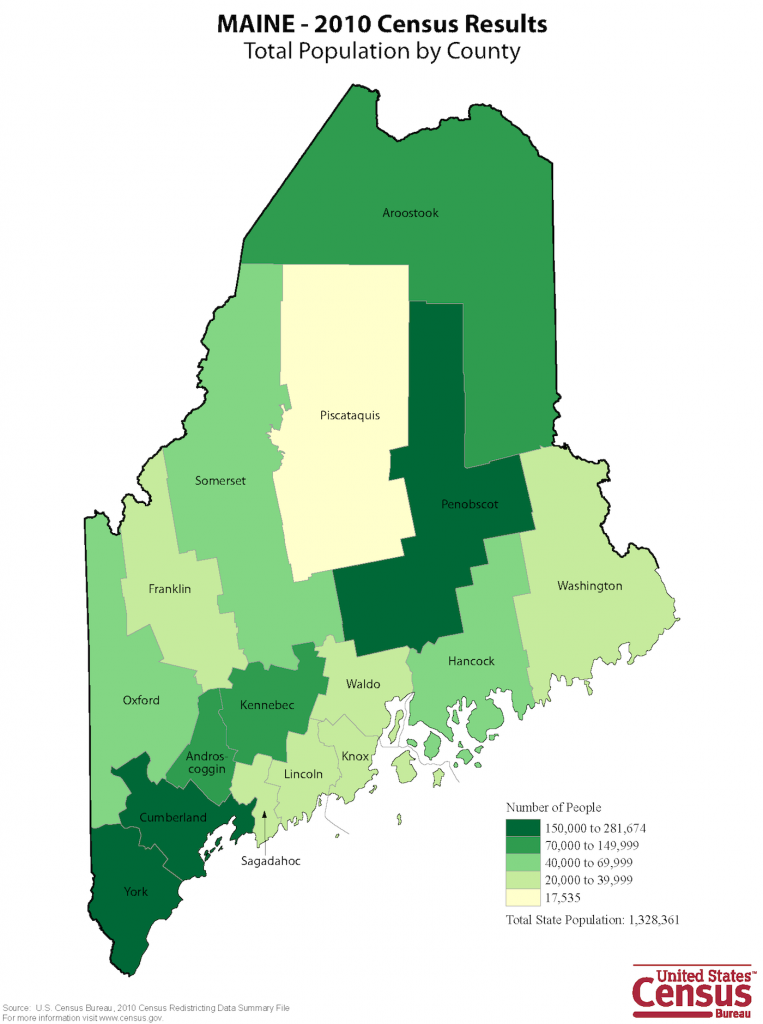
County Map
County Resources
| County | Resource | Phone | Website |
|---|
Auctions in Maine - November 2026
Sign up for full accessTax Lien Auctions:
- Annual (February)
- Premium bid/Bid down
- Interest rate: 8% penalty
- Redemption period begins with the date of the auction
- 2 years redemption period
Deed State
Maine is a typical tax deed state. Much of the terminology is unique to this state. Additionally, and unlike most other states, the individual municipalities are responsible for the collection of real property tax and the eventual foreclosure and disposition of delinquent unpaid real property tax parcels. At the expiration of the 30-day period following the collector’s issuance of the notice, a tax lien mortgage certificate (also called a tax lien certificate) must be prepared for every property for which taxes have not been fully paid. The recording of the tax lien certificate in the Registry of Deeds creates a tax lien mortgage. This mortgage has priority over most other mortgages, liens, attachments and encumbrances, including federal income tax liens (see 26 U.S.C.S. §6323(b)(6)).
The municipal tax lien mortgage is such a powerful collection instrument that even a creditor who obtains a court judgment against the taxpayer may not have the property sold for his or her benefit after the municipal tax lien mortgage has been foreclosed. Monet it Bearce, 311 A.2d 540 (Me. 1973). After the tax lien certificate is recorded, the property may be redeemed within 18 months only by full payment of the tax, interest, and fees. If the tax lien mortgage, interest, and costs have not been paid 18 months after filing of the tax lien certificate, then the mortgage is automatically foreclosed and the right of redemption has expired, provided all the proper procedures have been followed.
The tax lien mortgage sometimes has been referred to as a “self-foreclosing mortgage” for the reason that no judicial action is required on the part of the municipality. Mere passage of time and the providing of notice are sufficient to cut off the right of redemption. It is not necessary for the municipality to take physical possession of the property or perform any other act. If the taxpayer wishes to regain title after foreclosure, he or she must buy the property back from the municipality. After foreclosure, the property becomes the responsibility of the municipal officers, subject to direction of the municipality’s legislative body.
A recorded tax lien certificate gives the municipality all the usual rights under a mortgage except possession of the real estate. Thus, the municipality may assign (sell) the tax lien mortgage before the expiration of the 18-month redemption period. This is not a common practice, but it is legally permissible. Before a municipality assigns any tax lien mortgages, however, the legislative body of the municipality must vote to authorize someone, usually the municipal officers, to sell unmatured tax lien mortgages on behalf of the municipality.
When a tax lien forecloses, it will extinguish mortgages and most liens (certain federal and state liens may survive due to other laws) as long as the lien holders and mortgage holders were properly notified. Usually, banks will pay the taxes at the last moment to avoid this. Even if a mortgage or lien is “wiped out,” however, it will be revived if the property is conveyed to the immediate former owner or his successor (see 36 M.R.S.a. §943). The decision to sell rests with the municipality, and so does the choice of sale procedure. Most municipalities merely give the municipal officers the general authority to dispose of tax-acquired property on such terms and conditions as they deem advisable. Such authority gives the municipal officers the choice of several procedures, including the use of sealed bids, open auction, or closed sale. However, some municipalities require that the property first be offered to the former owner or that a specific method of sale be used.
The town is not required by law to dispose of all its tax-acquired parcels in the same manner. Different properties have different attributes, and the voters and municipal officers have the discretion to determine how to treat each parcel. Some tax-acquired parcels may be sold, and others may be retained by the town. The municipality is not obligated to sell the property back to the original owner, or to charge only an amount equal to the taxes, interest and costs owed. The property should be treated as other municipal property and sold for a total dollar amount, not as individual liens that need to be discharged. At a minimum, the municipality will sell tax-acquired property for the sum of the back taxes, the interest on such taxes, and the costs incurred in the tax lien process and in managing the property. Most likely, the sale price will include all outstanding taxes and current taxes, and not simply those which have gone to lien or foreclosure. The municipal officers should dispose of property acquired for taxes by a municipal quitclaim deed without covenant (also known as a “release deed”). It is legal to sell the property by warranty deed, but this is not done often since a warranty deed obligates the municipality to clear up title problems, including those that arose before the release deed is not given until all tax liability has been paid (including the current year’s taxes or an amount equal thereto if no tax has been assessed for the current year). A person may be required to bring an action to quiet title in order to clear any issues surrounding that person’s ownership of the property and to remove any “clouds” on that title, thereby making the property more marketable and perhaps more valuable after obtaining title through this method of foreclosure for defaulted property taxes. A suit to quiet title requires the services of a private attorney and is brought against all persons who might claim an interest in the property.
In Maine, the tax collector will sell tax deeds to the winning bidders at the delinquent property tax sale.
Tax Sale Type: Tax Deeds (Sec. 1071)
Contact: County Tax Collector (Sec. 1074)
Bid Procedure: Premium Bid (Sec. 1074)
Redemption Period: None Law: Maine Revised Statutes, Title 36, Part 2, Chapter 105, Subchapter IX, “Delinquent Taxes.”
Counties / Municipalities located in Maine
The following is a list of counties located in the state of Maine. Tax Deeds for properties located in the following counties are sold at Maine county tax sales. Learn more about each county’s individual tax sale process by clicking on the name of the county for which you are interested from the list below:
| County/Municipality | Population |
|---|---|
| Androscoggin County, ME | 103.793 |
| Aroostook County, ME | 73.938 |
| Cumberland County, ME | 265.612 |
| Franklin County, ME | 29.467 |
| Hancock County, ME | 51.791 |
| Kennebec County, ME | 117.114 |
| Knox County, ME | 39.618 |
| Lincoln County, ME | 33.616 |
| Oxford County, ME | 54.755 |
| Penobscot County, ME | 144.919 |
| Piscataquis County, ME | 17.235 |
| Sagadahoc County, ME | 35.214 |
| Somerset County, ME | 50.888 |
| Waldo County, ME | 36.280 |
| Washington County, ME | 33.941 |
| York County, ME | 186.742 |
Streamline Your Tax Lien Research
Access comprehensive tax lien and deed sale lists across all U.S. counties.