New Hampshire Tax Lien Sales
Directory with tax lien auctions, deeds, redemption periods and more
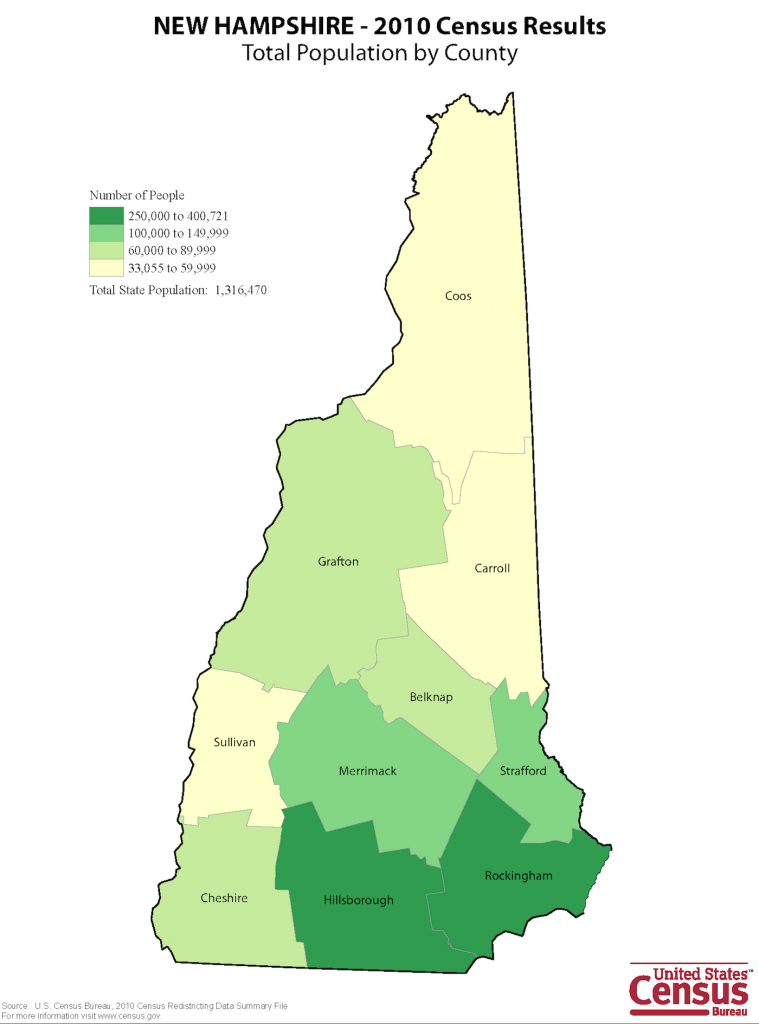
County Map
County Resources
| County | Resource | Phone | Website |
|---|
Auctions in New Hampshire - November 2026
Sign up for full accessTax Lien Auctions:
- Annual (Varies)
- Premium Bid
- Interest rate: 18%
- Redemption period: 2 years
Deed State
New Hampshire should be considered to be a classic lien type state. Again, like many of the New England states, the cities/town are the sub-political jurisdictions charged with the duty of property tax assessment and collection, not the counties as in most other states. New Hampshire state statute provides that a lien is established as an operation of law, stating that the real estate of every person or corporation shall be holden for all taxes against it. Further, that all such liens shall have priority over all other liens. Every lien on real estate may be sold by the tax collector. Every such sale shall be at public auction for the percentage of the common and undivided interest in the whole property that a bidder is willing to offer for the unpaid tax, subject to zoning and setback rules and laws. The property owner or other interested party may redeem the property from the tax sale by paying the amount of the purchase at sale plus interest at the rate of eighteen percent per annum or fraction thereof from the date of sale to the date of payment, which then shall be paid over to the purchaser of the tax. Within 45 days of sale, the purchaser is required to send notices of the sale to all holders of mortgages of record in the office of the register of deeds, pursuant to new Hampshire §80:32. The purchaser at tax sale may pay subsequent taxes and earn a rate of eighteen percent per annum on same, upon redemption. An additional notice to mortgage holders is required. The purchaser is entitled to a Collector’s Deed after a two-year redemption period has elapsed from the date of sale. A city or town may purchase unpaid tax at sale. However, if the city or town does purchase the land at the collector’s sale they are prohibited from transferring the lien to any individual during the two-year redemption period. And are further prohibited from selling the property taken in default of redemption without proper authority of the city council. If there are no bidders for the lien at the collector’s sale and the city or town refuses to purchase the lien, the lien continues in full force and effect until the next public auction. New Hampshire §80:63 provides for an optional tax lien procedure, in that only a municipality or county where the property is located or the state may acquire a tax lien against land for unpaid taxes from the collector. The council or selectman may then by majority vote determine whether the liens may be assigned to individuals singularly or in groups during the two year redemption period, or to take title to the redemption default and sell the land at public auction or written sealed bid. Please confirm each municipality’s procedure before attending any promoted sale.
In New Hampshire, county tax collectors sell tax deeds to the winning bidders at the delinquent property tax sale.
Tax Sale Type: Tax Deeds (Sec. 80:27)
Contact: County Tax Collector (Sec. 80:20)
Bid Procedure: Premium Bid (Sec. 80:24) Law: New Hampshire Revised Statutes, Title V, Chapter 80, “Collection of Taxes.”
Counties / Municipalities located in New Hampshire
The following is a list of counties located in the state of New Hampshire. Tax Deeds for properties located in the following counties are sold at New Hampshire county tax sales. Learn more about each county’s individual tax sale process by clicking on the name of the county for which you are interested from the list below:
| County/Municipality | Population |
|---|---|
| Belknap County, NH | 56.325 |
| Carroll County, NH | 43.666 |
| Cheshire County, NH | 73.825 |
| Coos County, NH | 33.111 |
| Grafton County, NH | 81.743 |
| Hillsborough, NH | 380.841 |
| Merrimack County, NH | 136.225 |
| Rockingham County, NH | 277.359 |
| Strafford County, NH | 112.233 |
| Sullivan County, NH | 40.458 |
Streamline Your Tax Lien Research
Access comprehensive tax lien and deed sale lists across all U.S. counties.