
Best tax lien investing software in 2026

Tax lien and tax deed investing rewards people who do their homework. The returns are set by statute in most states, but the difference between a profitable certificate and a worthless lien on a condemned lot comes down to research: knowing which county sells when, what the underlying property is actually worth, and whether the parcel is something you would ever want to own if it never redeems. In 2026, doing that research by hand across thousands of county websites is no longer realistic for most investors. The right software collapses weeks of spreadsheet work into an afternoon.
The challenge is that "tax lien investing software" covers very different things. Some products are pure auction platforms run on behalf of counties. Some are massive national data subscriptions priced for funds and full-time professionals. Some are courses with a thin software layer attached. And a few are genuinely built for the individual investor who wants auction lists, property research, and portfolio tracking without paying enterprise rates or sitting through a multi-day sales pitch.
To build this list, we evaluated each tool on four things: data coverage (how many states and counties, and how reliable the property detail is), price (transparent and affordable versus opaque or enterprise-tier), portfolio and analysis tools (whether you can track and forecast, not just search), and ease of use. We have tried to be fair about strengths: several of these competitors are excellent at what they do, even when they are not the right fit for a solo investor. If you also want a deeper look at where to actually bid, see our guide to the best tax sale auction sites, and for raw data sources, our roundup of the best tax lien and deed data websites.
1. FastLien: best all-in-one for individual investors
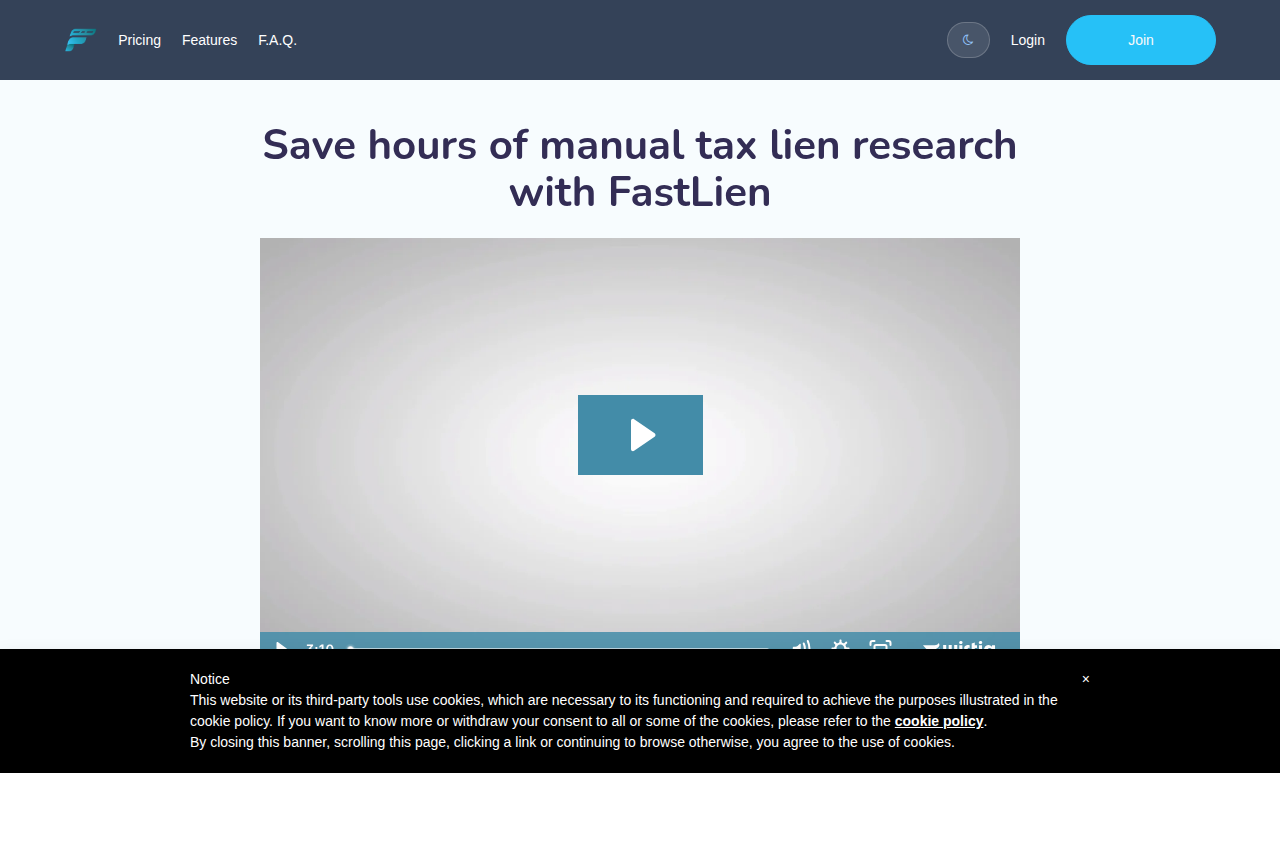
FastLien aggregates upcoming tax lien and tax deed auction lists with enriched property data across all 50 US states, then adds portfolio and forecasting tools in a single dashboard. It is built for the individual investor who wants county auction data, research, and tracking in one affordable place instead of stitching together three separate subscriptions.
Key features
- Upcoming sale lists with enriched property data: assessed values, use codes, addresses, and maps, so you can vet a parcel without opening five county portals.
- Portfolio manager with ROI tracking and automatic reminders for redemption dates and follow-up deadlines.
- Forecasting tools to model expected returns and set bid limits before you walk into an auction.
- Tax Lien Fundamentals course included: 5 modules and 150+ minutes covering how liens and deeds actually work.
- Zillow integration for a fast second opinion on property value.
Pricing: $49/month or $490/year on a single flat plan. No tiers, no per-report metering, cancel anytime.
Pros
- One flat price covers data, research, portfolio tracking, and education.
- Coverage across all 50 states without enterprise pricing.
- Forecasting and reminders that most data-only tools do not offer.
Cons
- Built for individual investors, not large funds that need API access or shared team seats.
- Not a bidding platform: you still place bids on the county or auction host site.
Best for: Individual tax lien and deed investors who want county auction data, property research, and portfolio tracking in one affordable subscription.
2. Tax Sale Resources: best for full-time professionals and funds
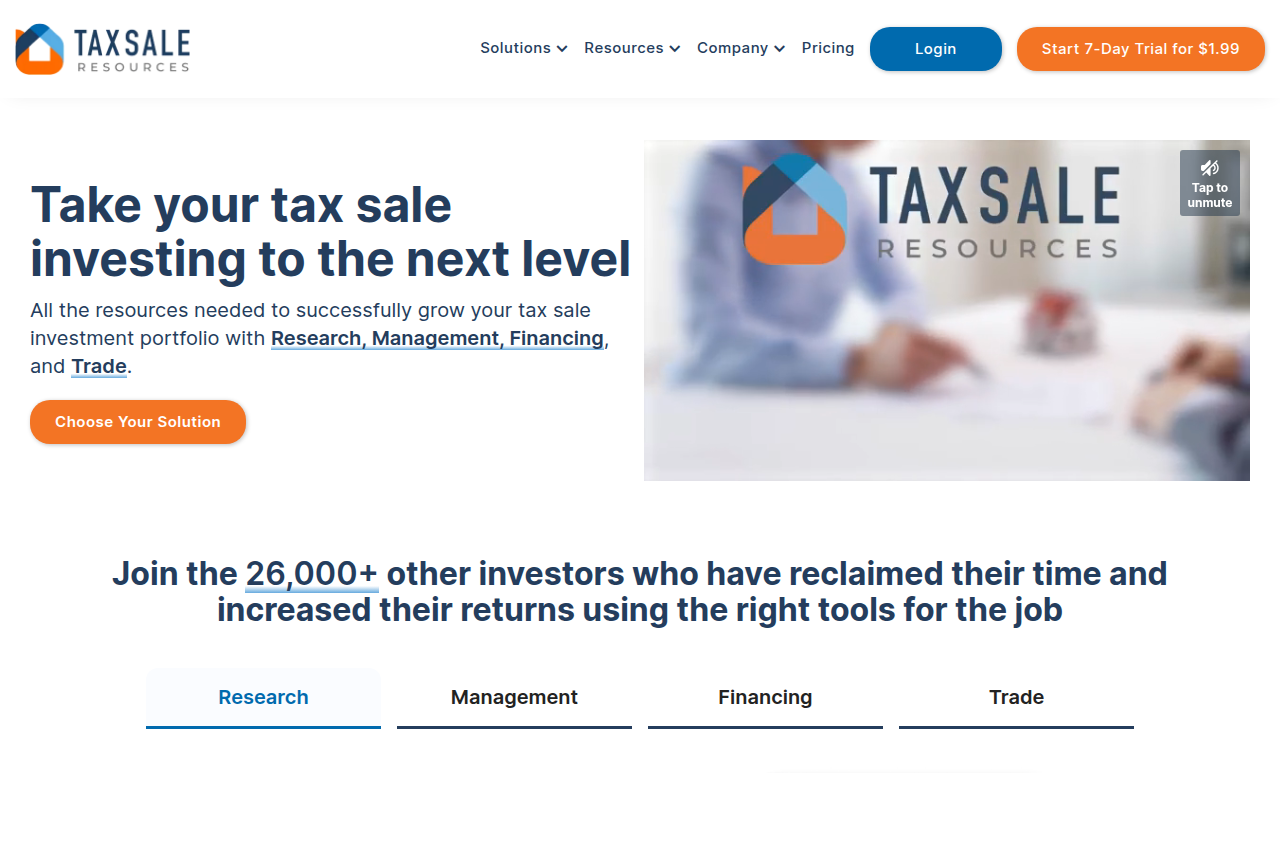
Tax Sale Resources is one of the most established nationwide data providers in the space, with research, portfolio management, financing, and trading products. It is genuinely powerful, and for high-volume operators the depth of data and the redemption engine are hard to match.
Key features
- Nationwide tax sale research data with property reports, AVM and MLS comps, and over-the-counter lists.
- Tiered metering so you pay for the report volume you actually use.
- A separate Management product with a nationwide redemption engine, custom report builder, and bulk data import.
- Title search and property inspection add-ons on higher tiers.
Pricing: Research plans start at $97/month (Standard) and run to $497/month (Premier), with annual billing discounts; the Management platform starts at around $1,000/month. Enterprise is custom.
Pros
- Deep, reliable nationwide data set trusted by funds.
- Report and comp metering scales with serious volume.
- Strong tooling for managing large redemption pipelines.
Cons
- Pricing climbs quickly, and report caps can pinch active researchers on lower tiers.
- More platform than a casual or part-time investor needs.
Best for: Full-time investors, funds, and organizations that need deep nationwide data and pipeline management.
3. Parcel Fair: best map-first property research
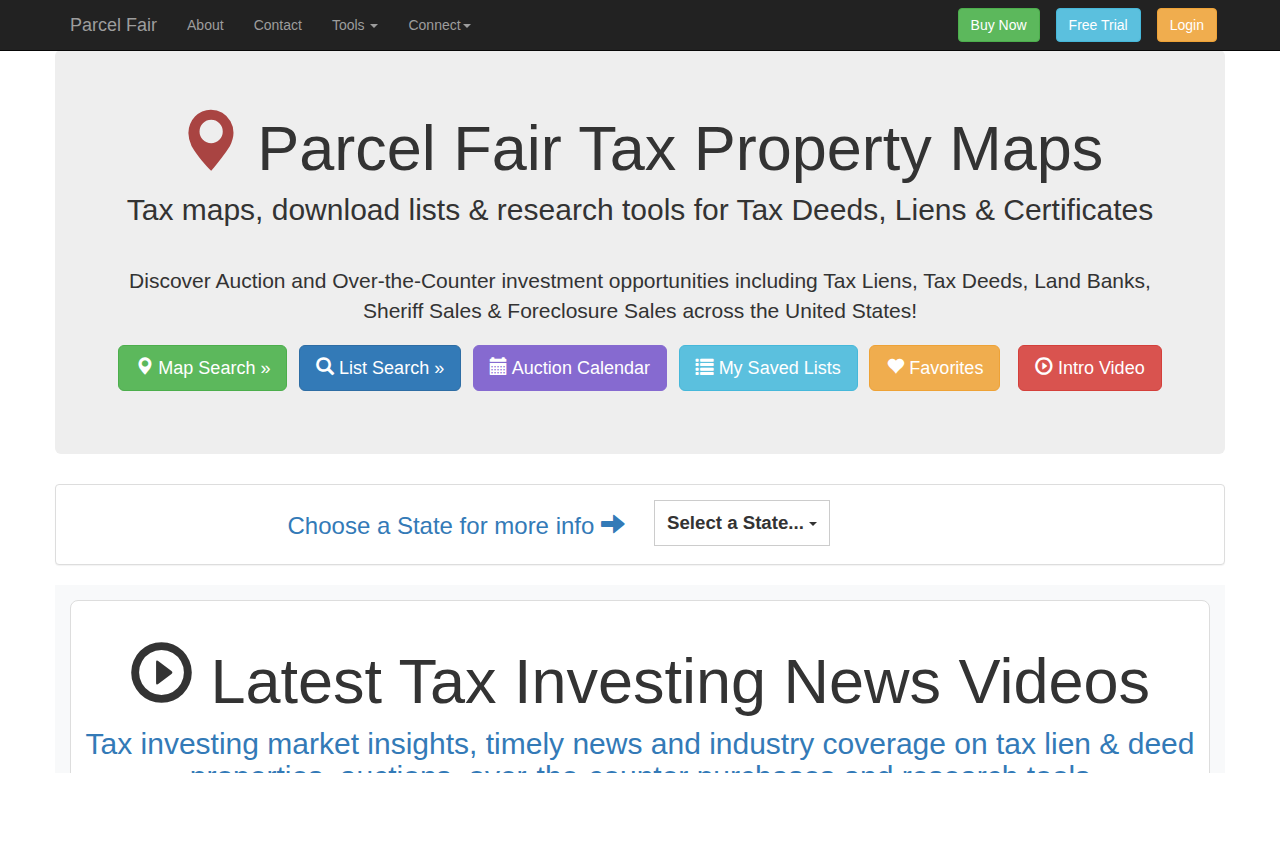
Parcel Fair is a map-based research tool for tax-delinquent real estate, tracking roughly 589,000 active parcels and millions of historical properties across more than 3,000 counties. If you think visually and want to see opportunities on a map rather than in a list, it is a pleasure to use.
Key features
- Interactive map interface for browsing tax lien and tax deed parcels by location.
- Coverage across thousands of counties with active and historical parcel data.
- Filters for property type, value, and auction status.
- Exportable lists for offline due diligence.
Pricing: Roughly $55 to $65 per month, with a 7-day free trial and no credit card required to start. Check the site for the current rate.
Pros
- Genuinely intuitive, map-first experience.
- Affordable monthly price with a no-card trial.
- Strong historical parcel coverage for pattern research.
Cons
- Research-focused: limited portfolio tracking and no return forecasting.
- Pricing on the site can be unclear about promotional versus standard rates.
Best for: Investors who prefer visual, map-based property discovery over spreadsheet-style lists.
4. Marketplace Pro (United Tax Liens): best for community-driven learners
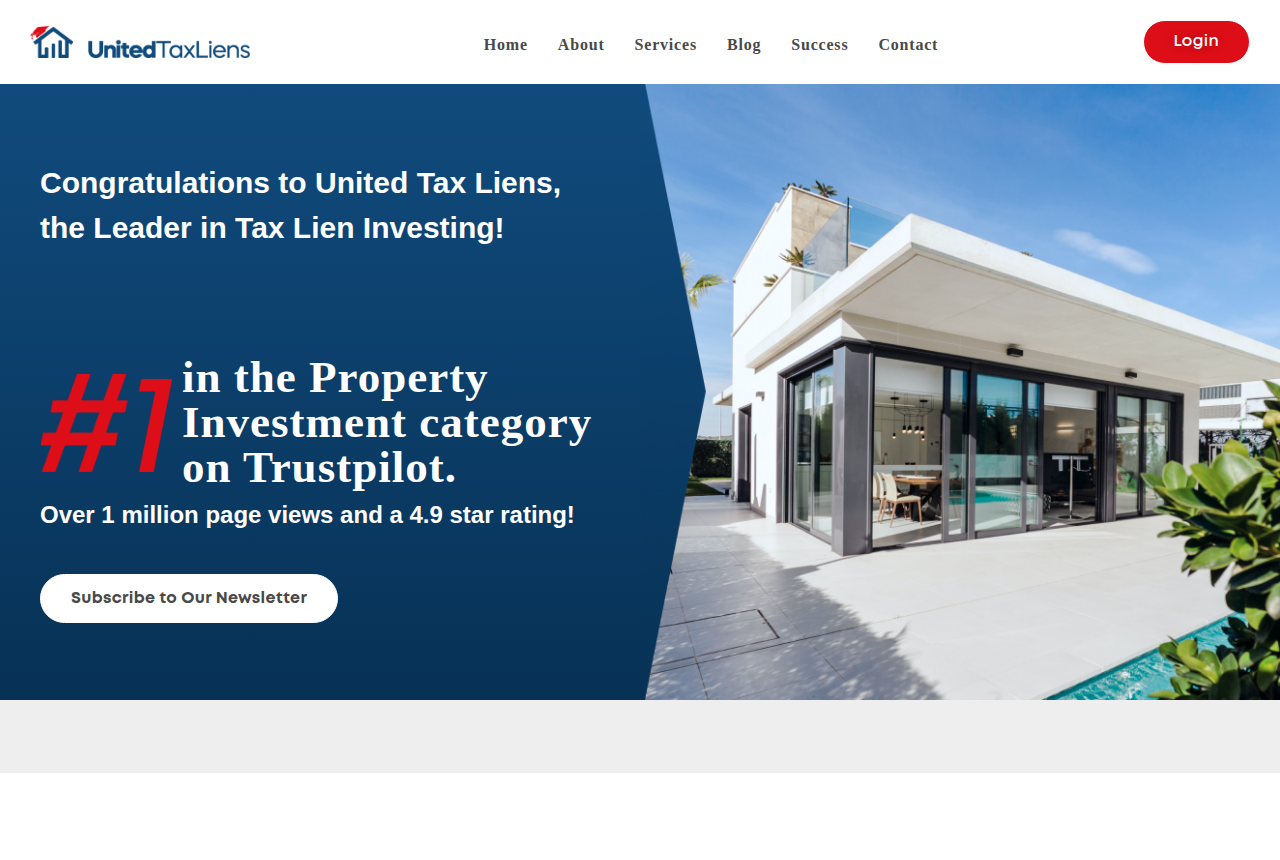
Marketplace Pro, sold through United Tax Liens, pairs a large national lien database with an active investor community. The MLS-style interface is clean and the community is engaged, which appeals to newer investors who want to learn alongside others.
Key features
- National property database with over 3 million listings.
- Search by state, county, assessed value, and auction year.
- Over-the-counter listings for unsold certificates.
- Auction calendar and a basic portfolio dashboard.
Pricing: Opaque and variable. A base tier runs around $40/month with tight due diligence lookup limits; a standard tier is roughly $97/month or $1,497/year. Coaching bundles cost far more. Check the site, and ask directly about lookup caps.
Pros
- Large consolidated database and a tidy interface.
- Active community and strong user ratings.
Cons
- Pricing is opaque and frequently bundled with expensive coaching.
- Lookup limits on the base tier are restrictive, and portfolio tools are basic.
Best for: Newer investors who value an active community and do not mind navigating tiered upsells.
5. Tax Lien Code: best for structured (premium) education
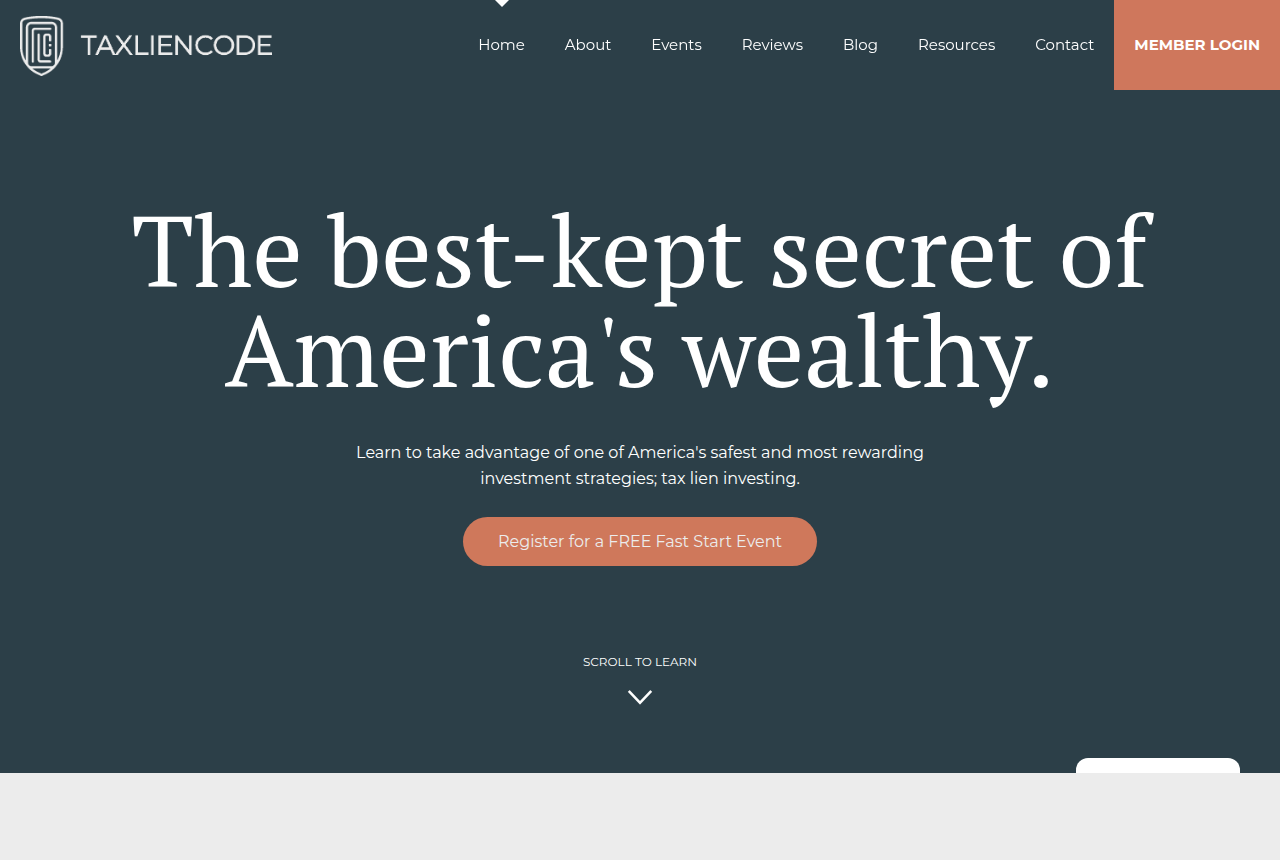
Tax Lien Code is primarily an education company rather than a software tool, but it comes up constantly when investors search for help, so it is worth placing honestly. Its course content and community are well regarded by many students.
Key features
- Structured tax lien and tax deed training, from fundamentals to advanced strategy.
- Live multi-day training events.
- A membership tier with ongoing content and community access.
Pricing: A basic membership runs around $39.97/month, with 3-day training events priced roughly $997 to $1,497 and premium programs reaching into the tens of thousands. Check the site, because the real cost depends heavily on which path you take.
Pros
- Highly rated course content with thousands of positive reviews.
- Useful for investors who want a guided curriculum.
Cons
- Education, not investing software: no auction data or portfolio tools.
- Reviews frequently cite aggressive upselling toward very expensive programs.
Best for: Investors who specifically want a structured course and can resist high-pressure upsells.
6. Bid4Assets: best auction marketplace for tax-defaulted property
Bid4Assets is not research software; it is one of the longest-running online auction marketplaces, hosting county tax-defaulted property sales, sheriff's sales, and government auctions since 1999. When the county you are targeting runs its sale here, this is where you actually bid.
Key features
- Online county tax sale auctions with proxy (auto) bidding.
- A schedule of upcoming government and tax-defaulted sales nationwide.
- Per-county deposit and registration workflow.
Pricing: Free to create an account. Costs are per-auction: refundable deposits, plus county-set fees such as registration, per-parcel settlement fees, and buyer's premiums. Check each auction's terms.
Pros
- Established, trusted marketplace with broad county participation.
- Straightforward proxy bidding and clear per-auction terms.
Cons
- A bidding venue only: no property enrichment, research, or portfolio tools.
- Fees vary by county and can add up on each parcel.
Best for: Investors ready to bid on tax-defaulted properties in counties that use Bid4Assets.
7. RealAuction: best official platform for online county auctions

RealAuction builds the online auction software that many counties use to run tax lien and tax deed sales, through products like RealTaxLien, RealForeclose, and RealTDA. If your target county auctions online, there is a strong chance you will register and bid through a RealAuction site.
Key features
- RealTaxLien for online tax lien certificate auctions.
- RealForeclose and RealTDA for tax deed and foreclosure sales.
- County-specific bidding, deposit, and batch-close workflows.
Pricing: Free for bidders to register; counties set deposit requirements and any fees per sale. Check the specific county auction site.
Pros
- The official venue for many county sales, so the data is authoritative.
- Reliable, purpose-built bidding workflow.
Cons
- Operates one county at a time; no cross-county research or aggregation.
- No property enrichment or portfolio tracking, by design.
Best for: Investors bidding in specific counties that host their sales on RealAuction.
8. County treasurer and tax collector sites: best free primary source
The original source for every sale is the county itself. County treasurer and tax collector websites publish the official sale lists, rules, redemption periods, and results. They are free, authoritative, and the final word when an aggregator and the county disagree.
Key features
- Official, legally authoritative sale lists and auction rules.
- Redemption periods, interest rates, and statutory details specific to each jurisdiction.
- Post-sale results and over-the-counter availability.
Pricing: Free.
Pros
- The most accurate possible source, at no cost.
- Definitive rules straight from the jurisdiction.
Cons
- No enrichment, no maps, and no portfolio tools.
- Inconsistent formats across thousands of counties make manual research slow.
Best for: Verifying details on a specific parcel or county, and anyone investing in just one or two local jurisdictions.
Comparison table
| Tool | Best for | Starting price |
|---|---|---|
| FastLien | All-in-one for individual investors | $49/month (or $490/year) |
| Tax Sale Resources | Full-time professionals and funds | $97/month |
| Parcel Fair | Map-first property research | ~$55/month |
| Marketplace Pro (United Tax Liens) | Community-driven learners | ~$40/month |
| Tax Lien Code | Structured education | ~$39.97/month (course extra) |
| Bid4Assets | Auction marketplace | Free to register |
| RealAuction | Official county auctions | Free to register |
| County treasurer sites | Free primary source | Free |
Frequently asked questions
What is the difference between tax lien data software and an auction platform?
Data and research software (like FastLien, Tax Sale Resources, and Parcel Fair) helps you find upcoming sales and vet properties before you bid. Auction platforms (like Bid4Assets and RealAuction) are where the bidding actually happens, usually on behalf of a specific county. Most serious investors use both: research software to decide what to buy, and the auction platform to buy it.
Do I really need paid software, or can I just use county websites?
If you invest in one or two local counties, free county sites may be enough. The moment you want to compare opportunities across multiple counties or states, manual research becomes the bottleneck. Paid tools aggregate thousands of county lists and add property data, maps, and tracking that counties do not provide, which is where the time savings come from.
Why is FastLien cheaper than Tax Sale Resources?
They serve different buyers. Tax Sale Resources is built for funds and full-time operators who need deep metered data and a redemption engine, and it is priced accordingly. FastLien offers one flat $49/month plan aimed at individual investors who want auction data, research, forecasting, and portfolio tracking together without enterprise pricing or per-report caps.
Is a tax lien course worth the money?
A good course can shorten your learning curve, and several here have strong reviews. Just separate education from tooling: a course teaches strategy, while software gives you the data and tracking to execute. Watch for programs that push very expensive upsells, and confirm exactly what each tier includes before paying.
The bottom line
Every tool here earns its place for some investor. Funds should look hard at Tax Sale Resources, visual researchers will enjoy Parcel Fair, and you will bid on Bid4Assets or a RealAuction county site no matter what research tool you choose. But if you are an individual investor who wants upcoming auction lists, enriched property data, forecasting, and portfolio tracking in one place at a transparent price, FastLien is built specifically for you. Start there, then use the county and auction sites to place your bids.